Sustainable Food Solutions
Millet-Based Nutrition: Why Ancient Grains Are the Future of Healthy Eating
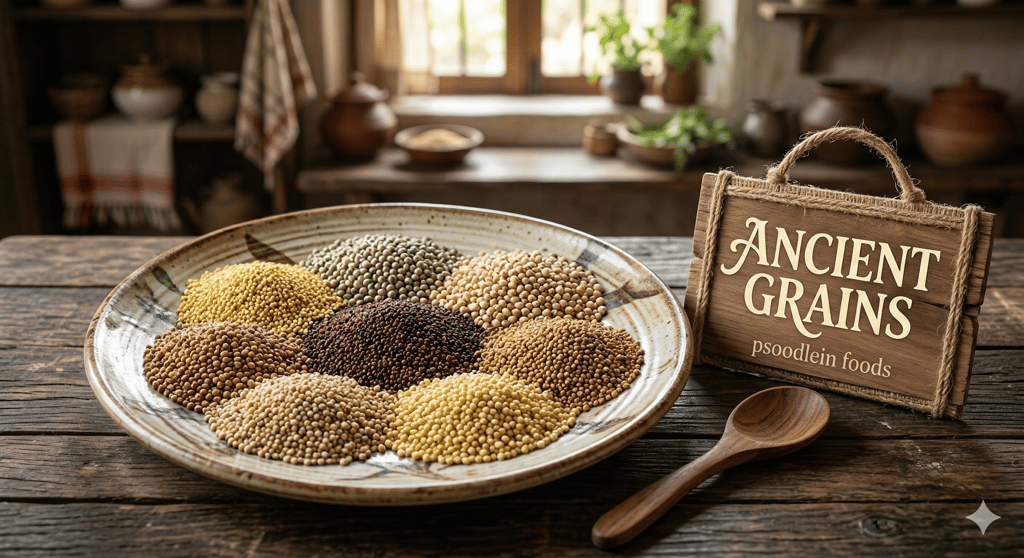
There was a time when our grandparents did not read nutrition labels — they simply ate what the land provided. Bowls of warm ragi porridge, jowar rotis fresh from the stove, bajra meals that kept them full for hours. These weren’t called “superfoods.” They were just food. Over time, polished rice and refined flour quietly replaced these humble grains, promising convenience but slowly stripping away fiber, minerals, and real nourishment. Today, as digestive issues, energy crashes, and lifestyle disorders rise, we find ourselves searching for solutions — often in expensive imported health foods. Ironically, the answer has been with us all along: millets. Millets are ancient grains that have remained unchanged for centuries. Naturally rich in fiber, iron, calcium, and slow-release carbohydrates, they support gut health, stable energy levels, and long-term wellness. Unlike refined grains that spike blood sugar and leave us hungry again, millets nourish steadily and sustainably. Beyond personal health, millets are gentle on the planet. They require less water, grow in harsh climates, and support resilient farming systems. In a world facing climate uncertainty, these grains represent both nutritional security and agricultural sustainability. At Psoodlein Foods, we see millets not as a trend, but as a return to wisdom. By transforming everyday foods into millet-based, clean-label alternatives, we aim to bring back nourishment without sacrificing taste, affordability, or variety. Sometimes progress is not about creating something new — it is about rediscovering what was always right.
Psoodelin foods
7/8/20251 min read